Description
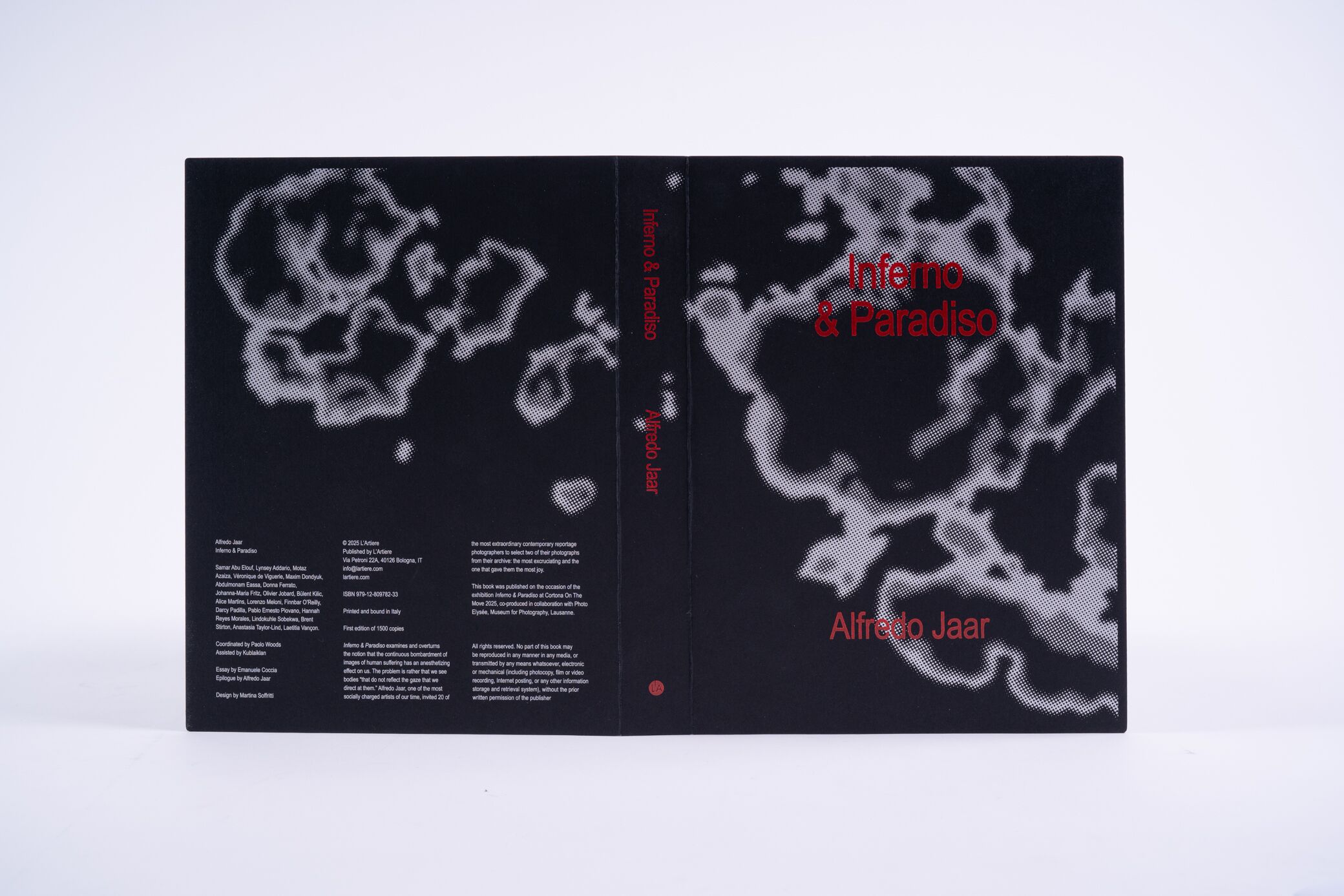
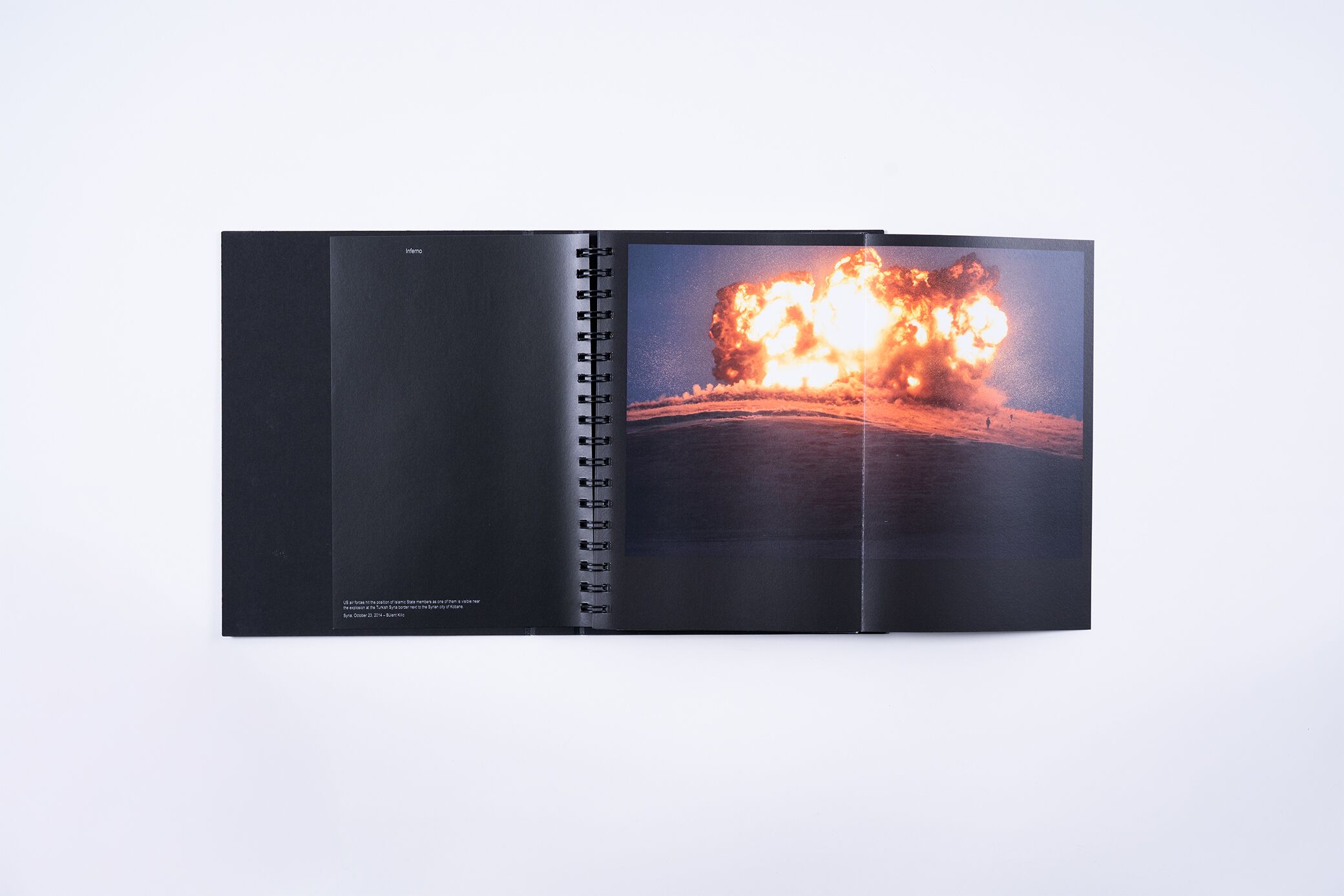
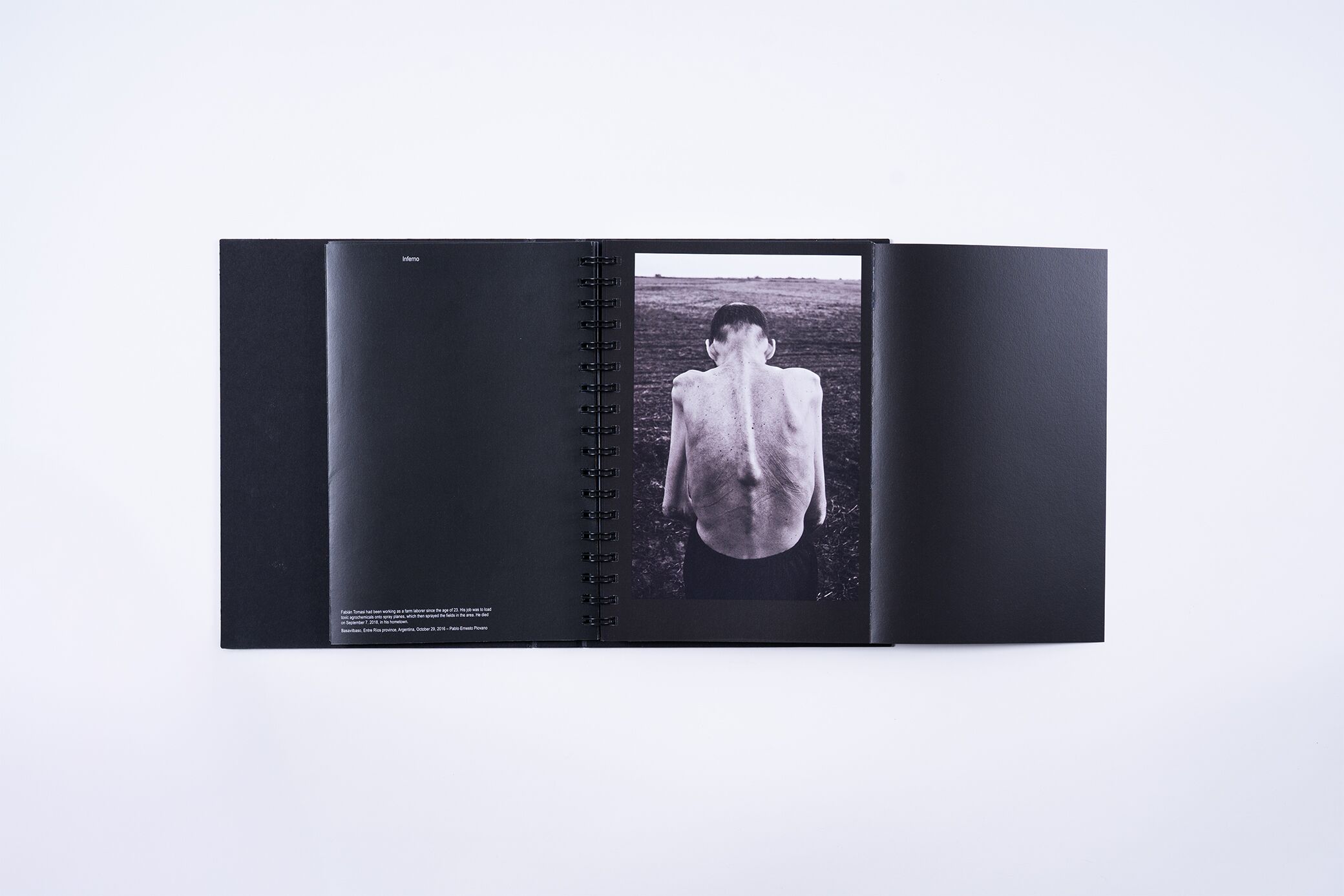
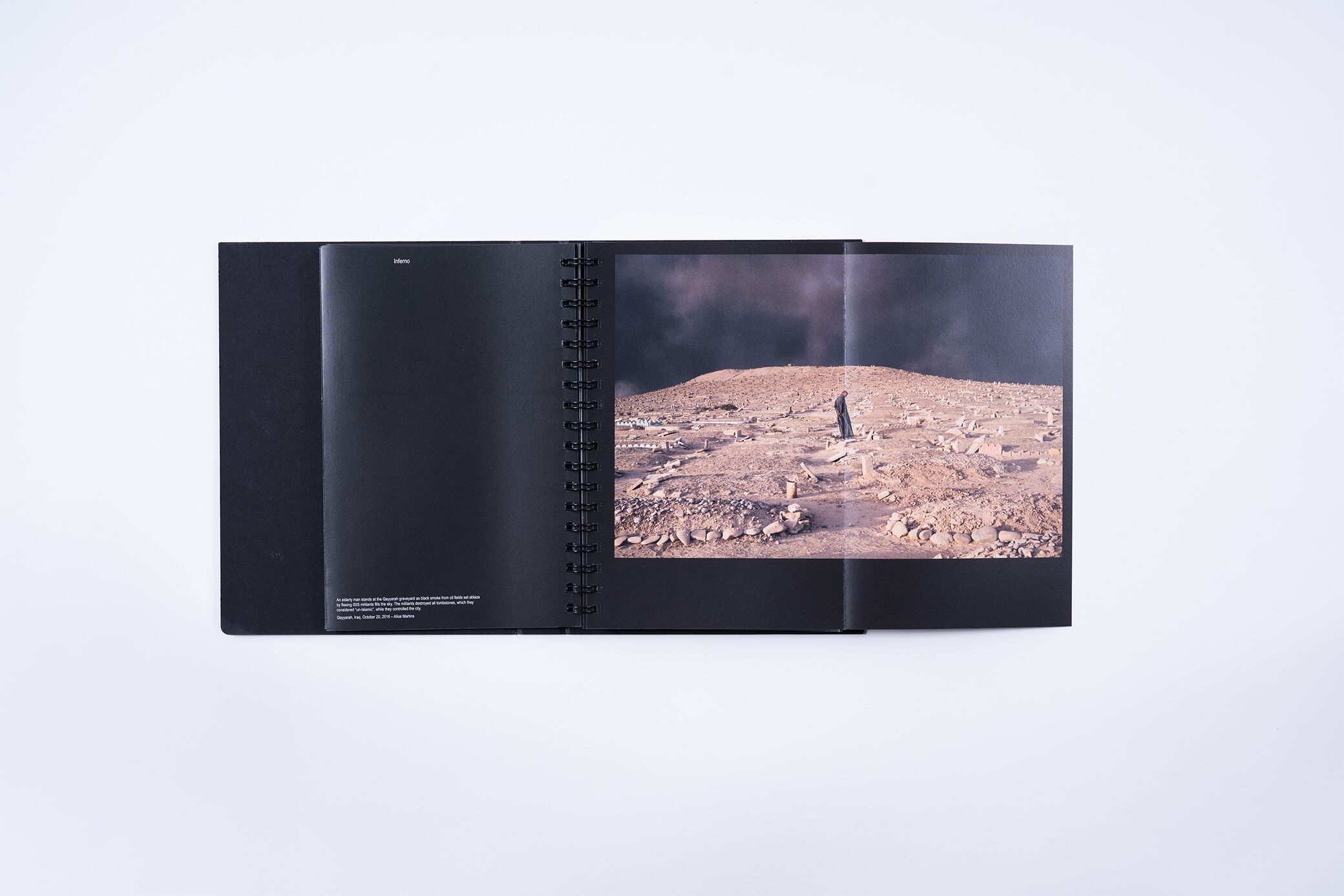
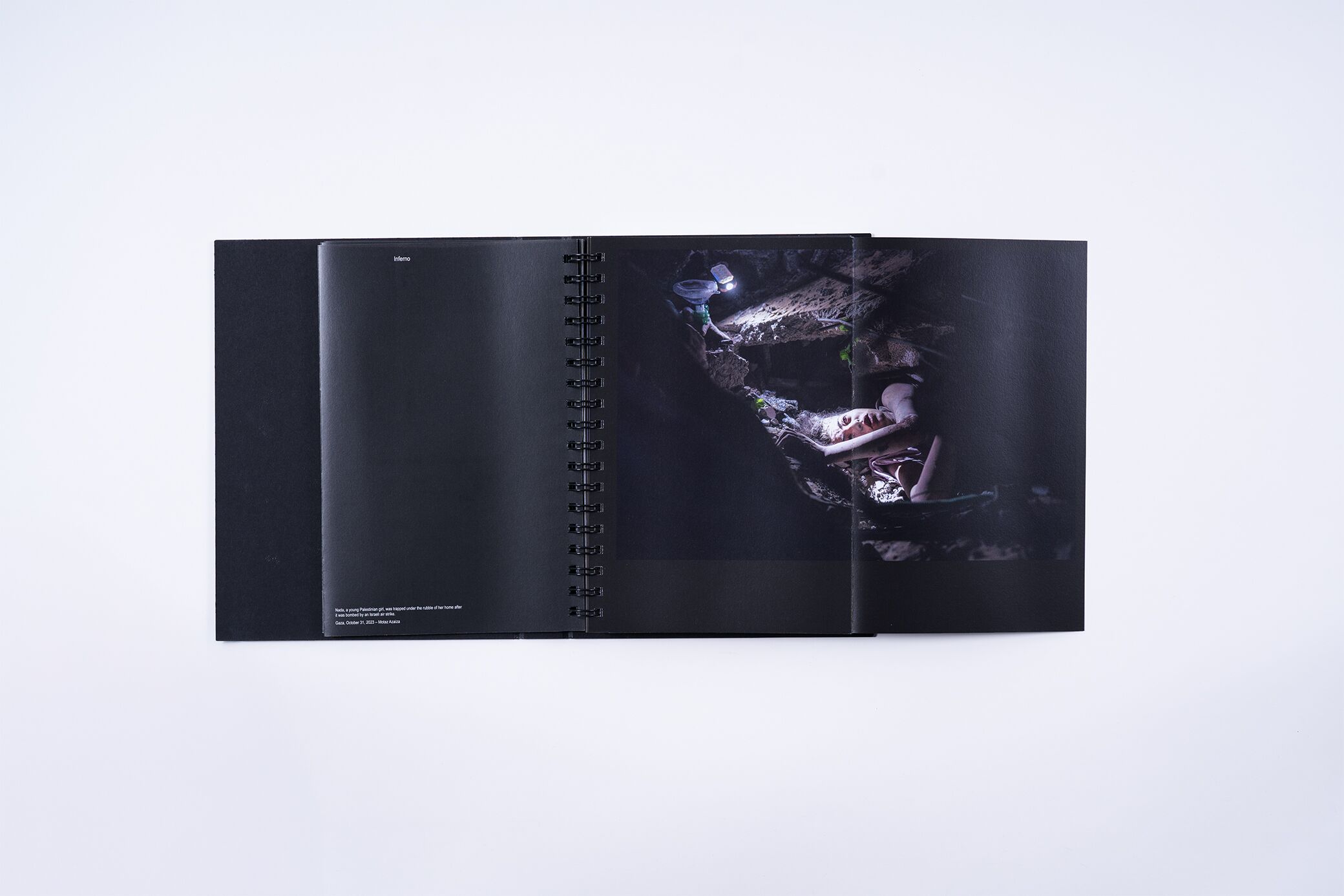
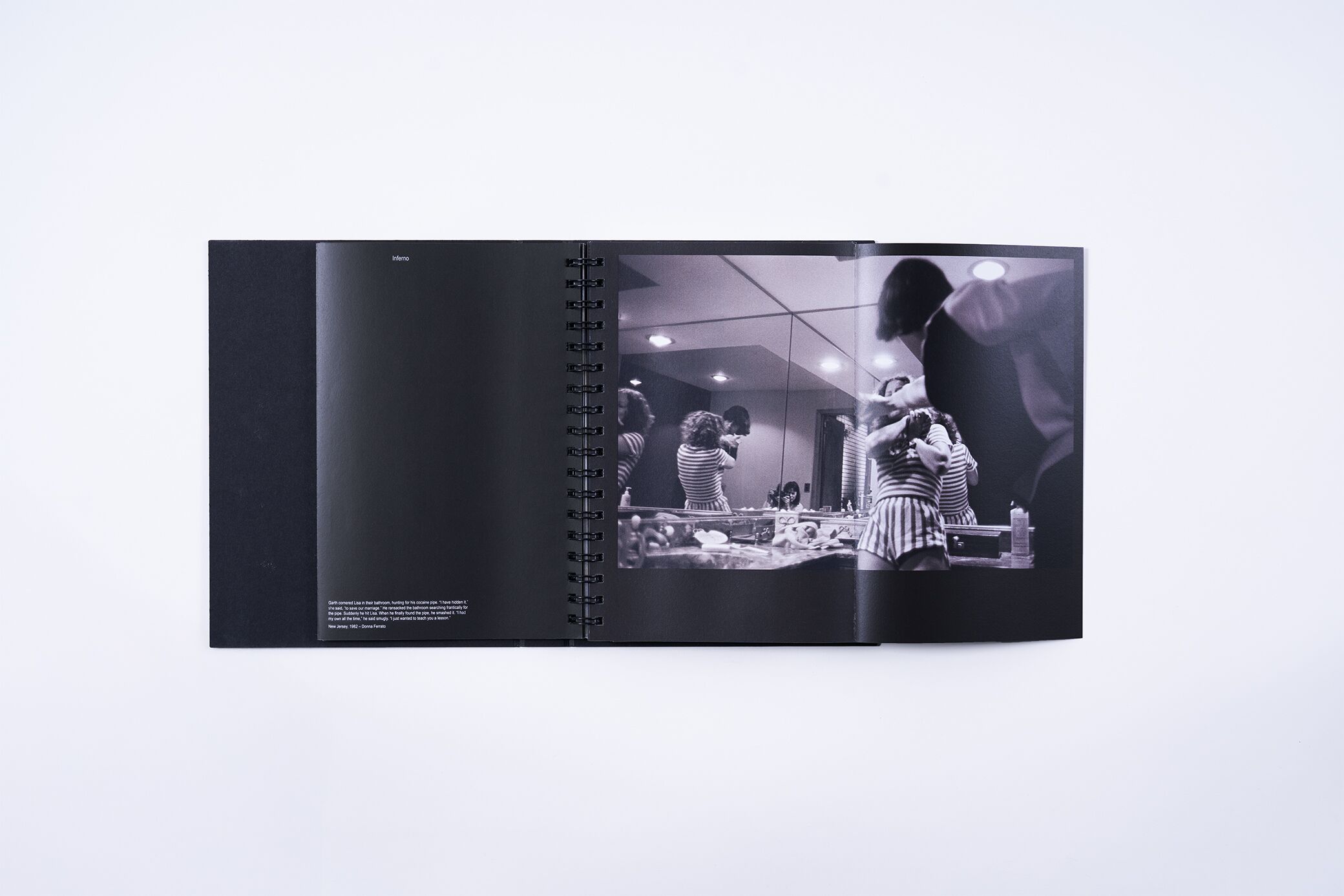
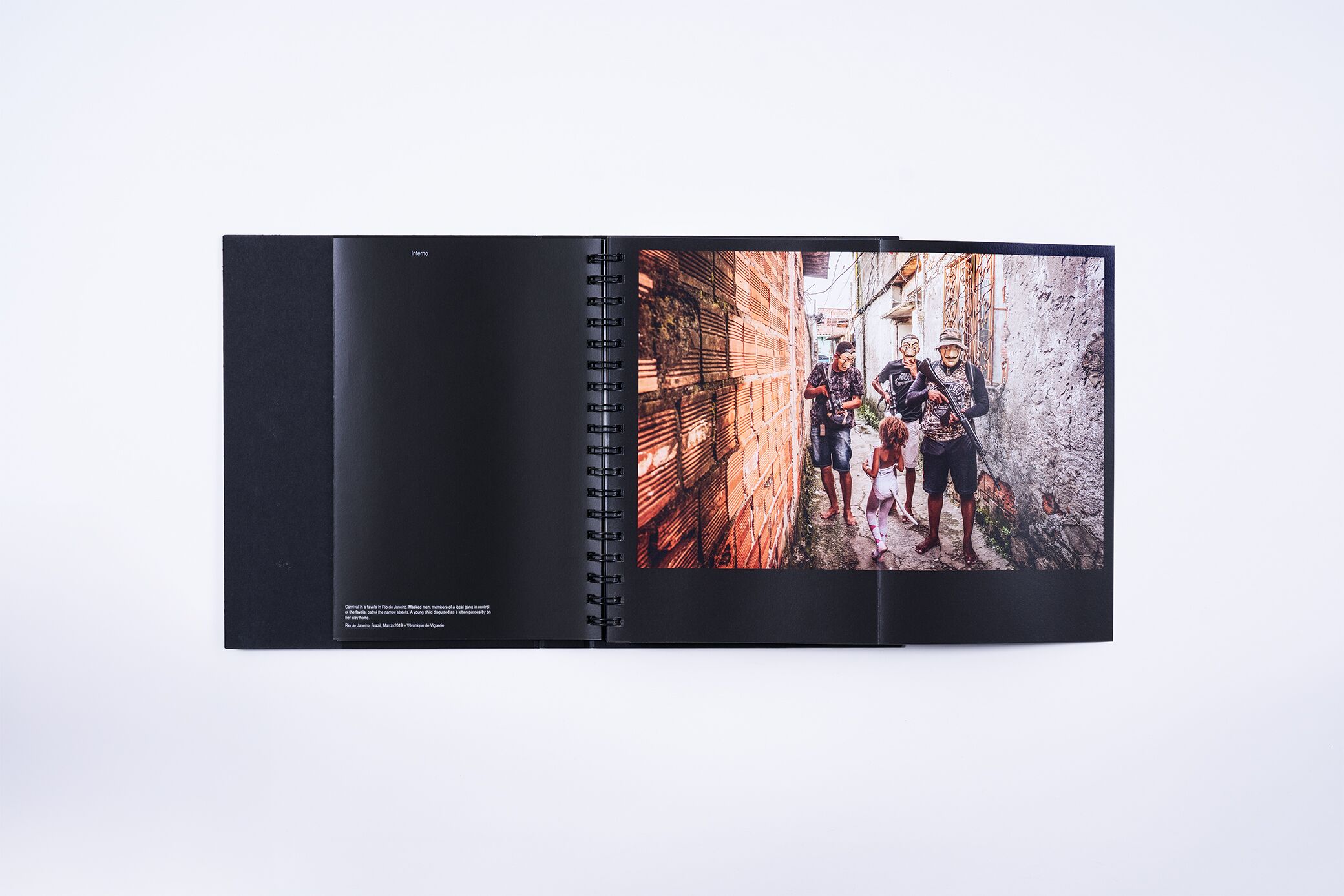
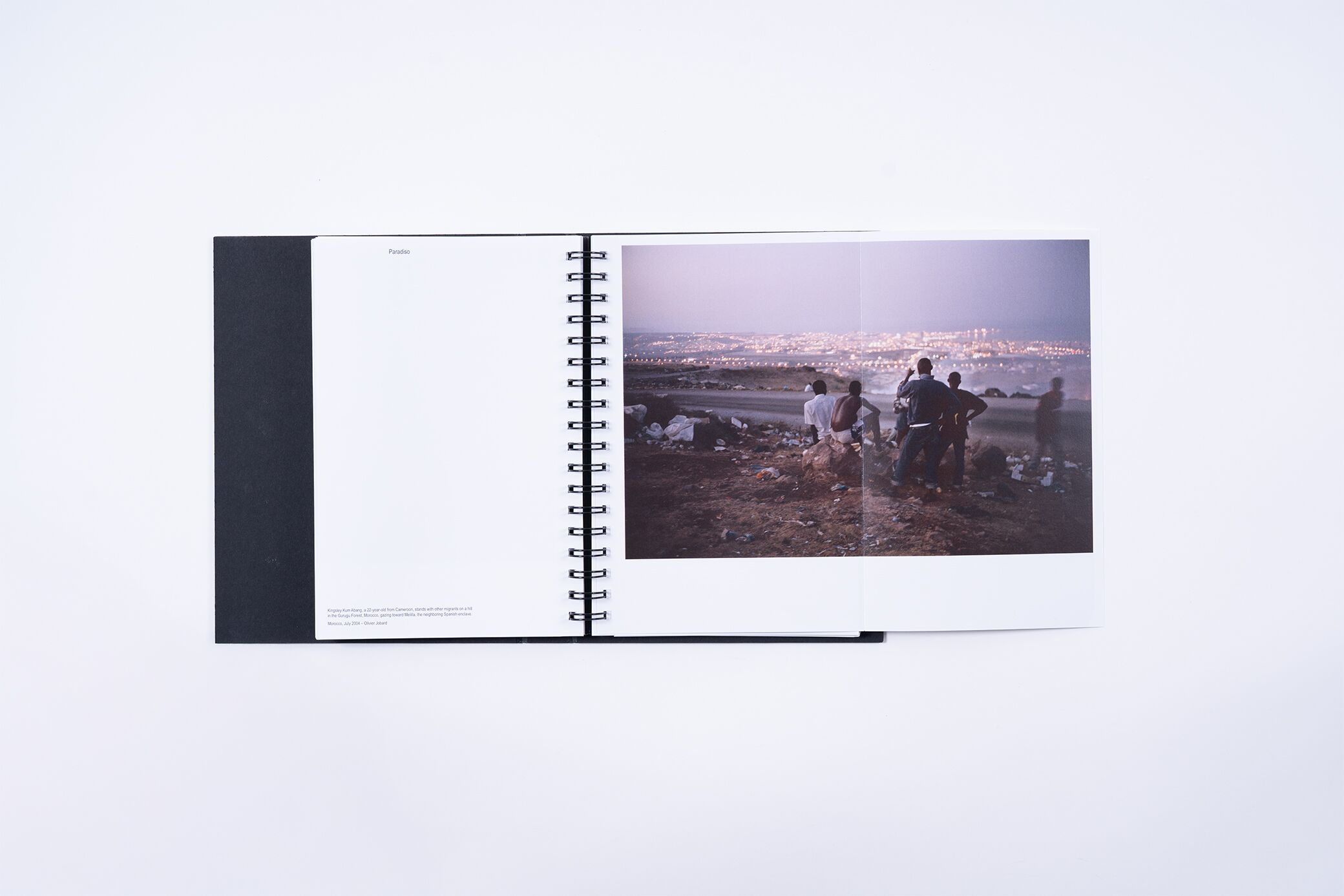
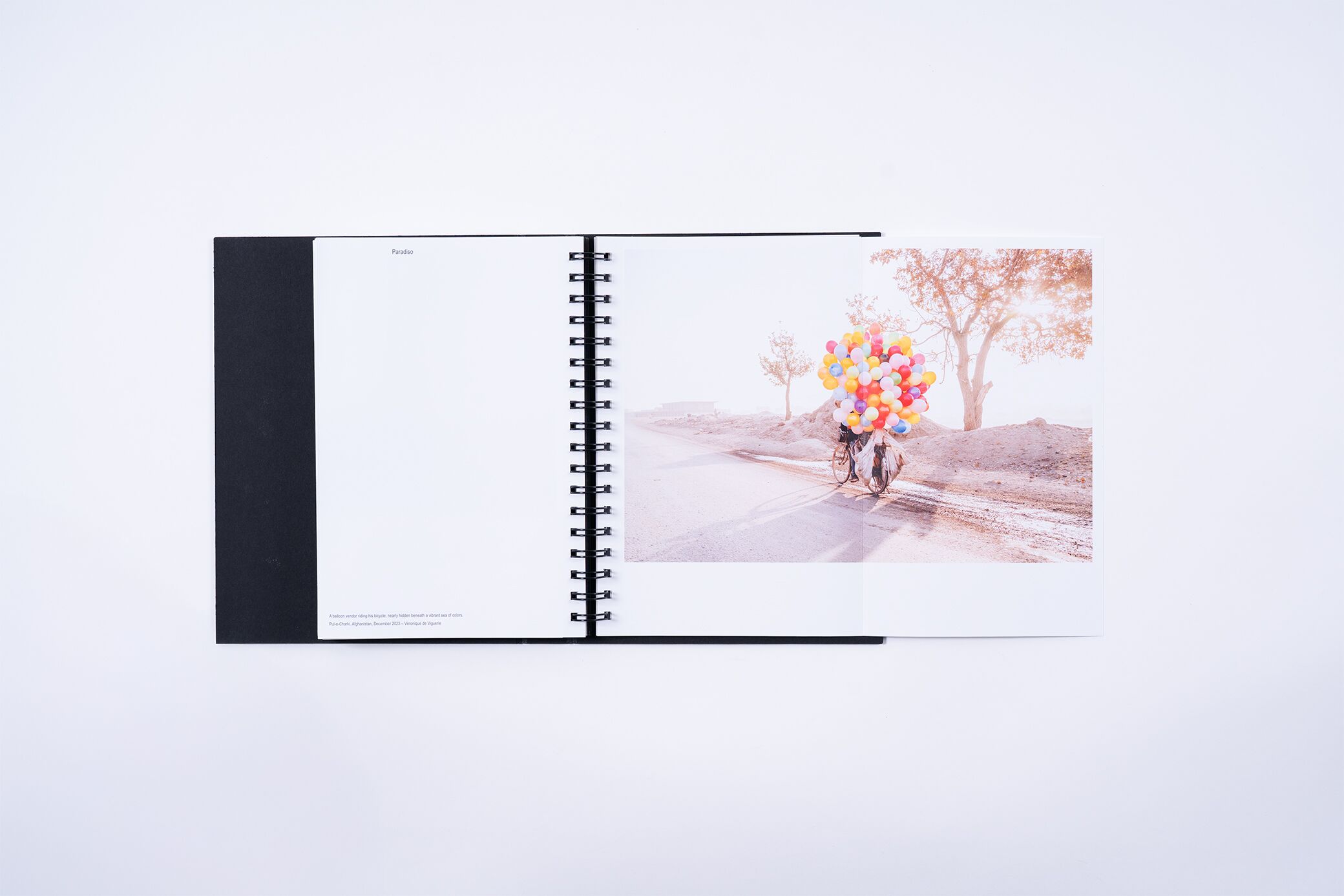
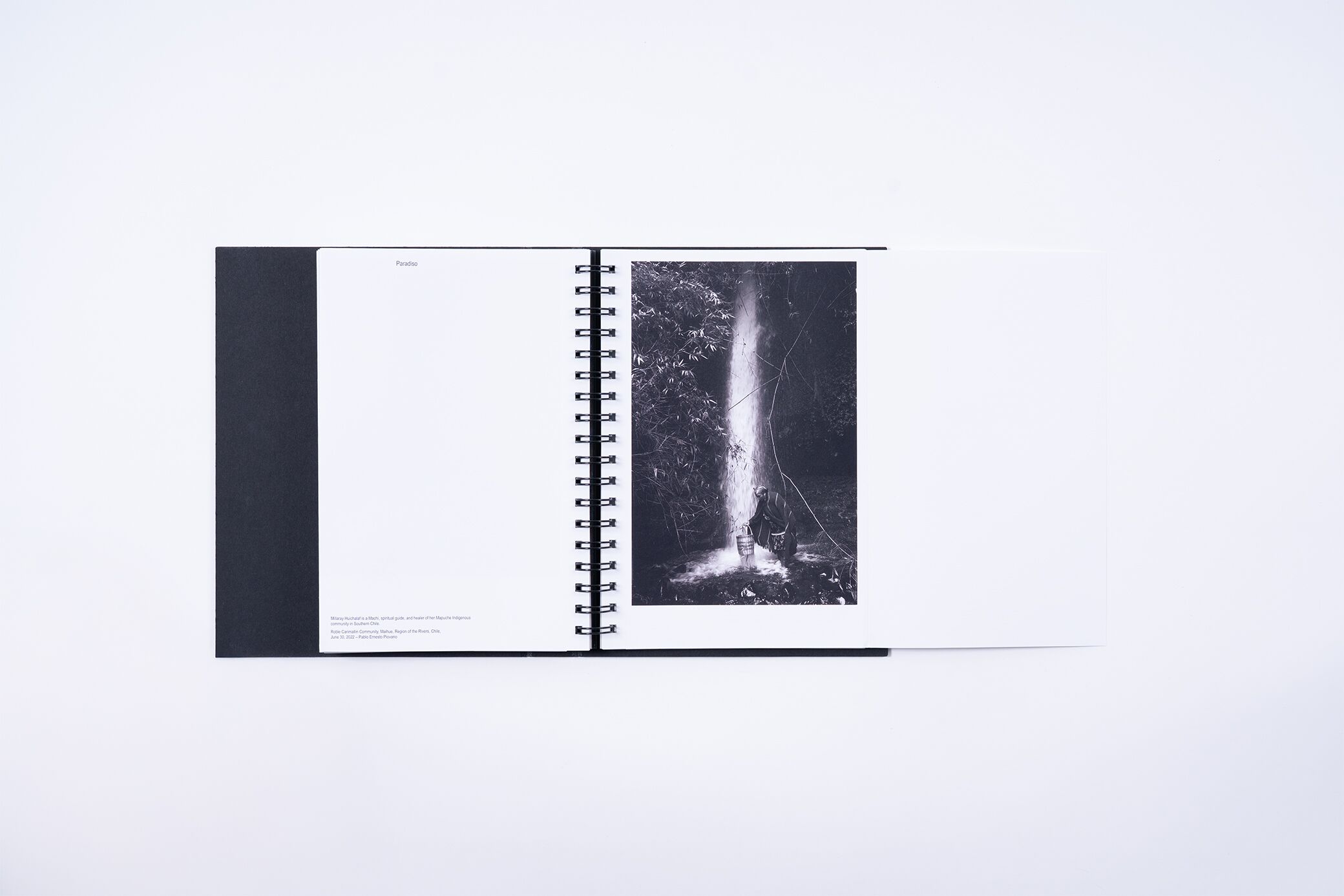
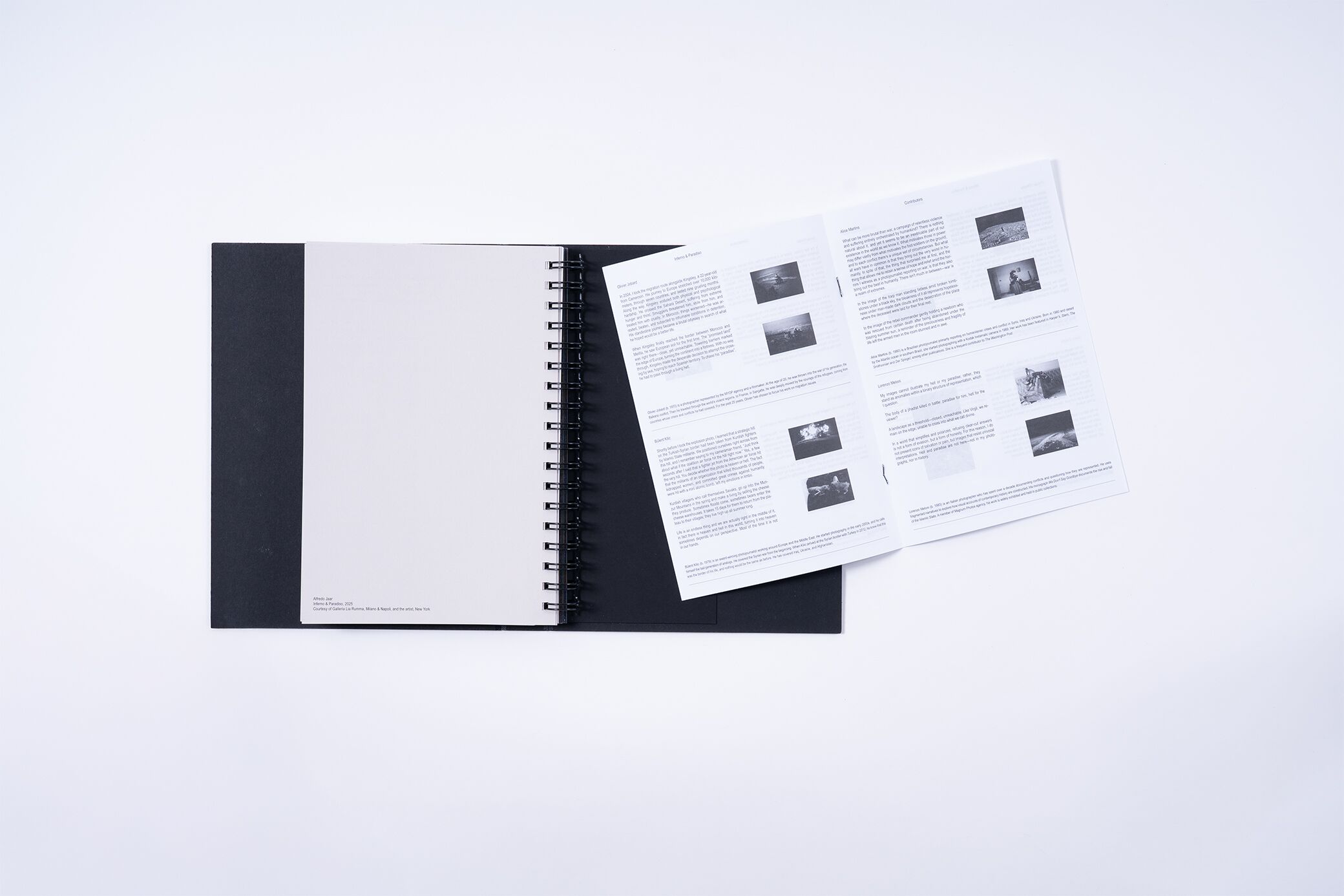
Inferno & Paradiso is the catalog accompanying the exhibition to be presented at the Cortona On The Move festival and later shown at the Musée de l’Élysée in Lausanne. This project explores the complexity of the human condition between suffering and hope, pain and joy. Born from Alfredo Jaar’s experience during the Rwandan genocide, the project expands to include twenty of today’s greatest photojournalists, each invited to select two images from their archives: one representing the most harrowing horror and one capturing a moment of joy.
The exhibition and book challenge the idea that constant exposure to images of suffering leads to numbness. The real problem is often seeing bodies and stories that fail to reflect the genuine gaze we wish to offer them. The photographs, projected as slides in an immersive installation, guide visitors on a journey through Inferno and Paradiso, much like Virgil leads Dante in the Divine Comedy.
The project reveals that hell and paradise are not distant or metaphysical places, but concrete conditions of our everyday lives. Happiness and suffering intertwine in a fragile balance that requires care, attention, and responsibility.
Inferno & Paradiso serves as a warning against the indifference and apathy that often accompany global tragedies and crises. It invites us not to turn away, but to become active witnesses to reality. The book pays tribute to the moral courage of photographers who, often risking their lives, bring us hidden truths, revealing the darkest and brightest facets of humanity.
In times marked by new crises and rising authoritarianism, this work confirms art’s power as a tool for memory and transformation. It urges us to reflect on what it means to live together, to face pain, and to nurture hope in a fragile and divided world.
« I landed in Kampala, Uganda, on Thursday, July 28, 1994. Benjamin Musisi was waiting for me. He directed me to a parking lot outside the airport, and we drove for twelve hours until reaching Kigali, the capital of Rwanda, in the early hours of the morning. The light was gorgeous. However, what I witnessed would change my life forever. The genocide had started on April 6, and was still ongoing. Nearly one million people had been killed in under 100 days, amid the criminal, barbaric indifference of the so-called international community. In Kigali, we entered the half destroyed, abandoned Hôtel des Milles Collines and picked rooms that still had a bed and a door. There was no electricity or water, but I had brought a few candles. We saw decomposing bodies in the first rooms we inspected, the stench of death still lingering. After two hours of crying and asking myself what the hell I was doing there, I finally fell asleep.
The next morning, we drove to the Ntarama Catholic Church, fifty kilometers south of Kigali, where some 500 people had sought refuge, only to be slaughtered during Sunday mass. Too many bodies to count, they were in a particularly grotesque moment of decomposition, the flesh still visible but bloated, discolored, rotting. The bodies were littered together with the refugees’ belongings. There were huge rough-edged holes in the wall where mortars had crashed through, clearing the way for an ambush by Hutu militiamen armed with machetes. Churches were among the places that the Tutsi fled to when Hutus pursued them, and they were the places where thousands became trapped and met their deaths. In southwestern Rwanda alone, more than 22,000 Tutsis were killed in Roman Catholic churches.
I photographed countless close-ups of some of the many corpses of men, women, and children. Bodies were scattered all around, as if they were packed into the church before the massacre began. They seemed to be covered in a blanket of gray dust and dampness. Flesh hung to the bone, and fell to the floor in other places. The sun outside was blinding, and stepping into the church, my eyes took a moment to adjust.
Outside the church, the only sounds were leaves rustling against each other. I observed innocuous objects on the ground—a shoe, a suitcase—then a skull, many more bones, and, finally, corpses. Amid the dirt, fallen leaves, and soiled clothing, a single yellowing, rotting foot protruded from a pair of pants. A few meters away, I found two skulls with huge cracks from death blows. One still had flesh hanging from its cheek, covered with maggots and flies; the other was completely bleached white. Both were resting on bright pink, blue, and yellow garments, fading under the sun. The survivors had refused to clear away evidence of the massacres as testament to the genocide they witnessed.
I spent fifteen days in Rwanda, Burundi, and Zaire (now the Democratic Republic of the Congo), documenting the genocide in and around Kigali, speaking to survivors, visiting refugee camps, and volunteering for Doctors Without Borders. When I returned to New York, I succumbed to an extreme and indescribable state of despair, desolation, and depression. The aftermath of a genocide was an experience for which I was not prepared. I was, literally, ashamed of being a human being. But I found refuge in music. I discovered that music can sometimes be the most extraordinary healing tool. More than thirty years later, I can affirm that it was music that saved me.
Months later, I had a conversation with Jan-Erik Lundström, the Swedish curator responsible for a large exhibition of mine at the Moderna Museet in Stockholm earlier that year. He wanted to know about my experience in Rwanda, and so we had long, difficult conversations about the genocide, the indifference of the world, the disinterest of the media, and the incapacity of art to represent what I had witnessed. At that moment, I felt completely incapable of creating works from that experience. Jan-Erik unexpectedly suggested that I think of an exhibition to confront and reflect upon these ideas. This is when Inferno & Paradiso was born.
I contacted eighteen photojournalists, a few of whom I knew from Rwanda among other places, to share my ideas for an exhibition. I asked them each to submit two images. For Inferno, I requested the most horrific image they had ever taken—the one that gave them nightmares—for Paradiso, an image that gave them joy, a moment of happiness in their difficult lives. They all loved the idea. Without exception, each had the same answer: “I know exactly what I will choose for Inferno, but for Paradiso, I need to think about it.”
When Paolo Woods invited me to participate in the Cortona International Festival of Photography, he described the focus of this year’s iteration: “Come Together.” I immediately thought about Inferno & Paradiso as this is a project that explicitly reveals what divides us (Inferno), and what unites us (Paradiso.) “When will we learn how to live together?” I asked myself. This new version of Inferno & Paradiso includes twenty photojournalists. If it were not for them, and countless others, there would be no humanity left in this world. I deeply admire their courage and moral compass. They carry the weight of the world on their shoulders. They reveal the crimes. They illuminate us with the truth. That is why almost three hundred photojournalists have been killed in Gaza during the last twenty months—most of them with their families. Naomi Klein has recently observed that “we are witnessing humanity spiraling into the moral abyss of a world governed by brutal force and impunity.”
I write these lines as yet another genocide is taking place in Gaza, unimpeded, yet again, by the criminal, barbaric indifference of the so-called international community. Millions of people all over the world have taken to the streets to protest, but corrupt, pathetic, miserably inadequate politicians are not listening. They are all complicit—in their cowardice, their utter hypocrisy. They are the shameless producers and facilitators of crimes against humanity by supporting and sending arms to a rogue government that has been indicted and issued arrest warrants by the International Criminal Court. As the secretary general of Amnesty International has stated, “Today’s diplomatic complicity in the catastrophic human rights and humanitarian crisis in Gaza is the culmination of years of erosion of the international rule of law and global human rights system.”
We are living through extremely dark times, and fascism is reemerging around the world. The so-called rules-based order is dead, courtesy of the United States, Russia, and the European Union. The twentieth century will never return. Inferno & Paradiso is an exercise in an impossible balance, between the world that is, and the world that could be. It is an illusion. But that is the artist’s task: to create models of reimagining the world. »
Alfredo Jaar




Il n’y a pas encore d’avis.